Understanding the Benefits of Hollow Blocks in Construction
Hollow blocks, also known as hollow block bricks, are an important building material used extensively in construction. As the name suggests, these blocks have hollow spaces inside them, which provide several advantages over traditional clay or concrete bricks. In this blog, we will understand what hollow blocks are and the various benefits they provide.
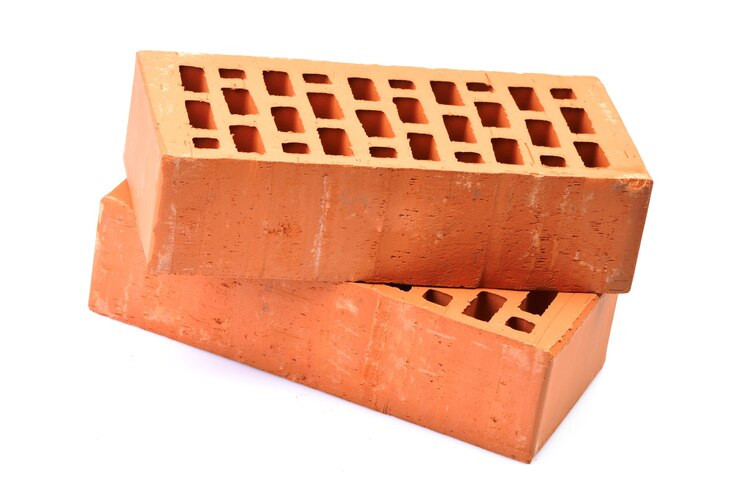
What are Hollow Blocks?
Hollow blocks are made of concrete or clay, which have rectangular hollow spaces inside them. They come in standard sizes and dimensions and were first introduced as an alternative building solution to traditional bricks. Hollow blocks have two holes parallel to each other which run the entire length or width of the block.
Some of the common materials used for making these blocks include:
- Fly ash clay
- Concrete
- Natural clay
- Shale
Compared to normal bricks, these hollow bricks are lighter in weight, offer better sound and heat insulation, and provide great load-bearing capacity.
Key Benefits of Using Hollow Blocks
There are many good reasons why hollow blocks are preferred in construction. Some of the major benefits are:
- Lighter Weight: One of the biggest advantages of hollow blocks is that they are nearly 30% to 50% lighter than normal bricks of the same size. This reduces the dead load on the building, allowing savings on heavier foundation structures. Their reduced weight also cuts down transportation costs.
- Better Thermal Insulation: The air gaps in the hollow blocks provide great insulation against heat and cold. This helps in maintaining indoor temperatures and reduces the heating/cooling requirements of the building. Hollow blocks thus lead to energy savings over traditional solid bricks in the long run.
- Improved Sound Insulation: The air pockets in these blocks absorb sound more effectively. This provides improved noise isolation within the rooms, cutting down sound transmission from outside. Hollow blocks minimize external noise disturbances in homes or offices.
- High Load Bearing Strength: Despite having voids inside, hollow blocks have nearly the same compressive strength as regular bricks. Modern blocks utilize support ties or reinforcements to provide excellent structural strength for multi-storey buildings. The interlocking designs provide stability against seismic forces, too.
- Saves Construction Time: The lighter weight and modular design of hollow bricks allow faster laying of walls during construction. Interlocking hollow blocks are also available, which speed up the masonry work. Quick assembly lessens completion time and labour costs.
- Low Water Absorption: With lower density and mass, these blocks absorb negligible amounts of water. This prevents seepage of dampness in inner rooms. The hollow spaces remain mostly dry, preventing the growth of moisture-loving moulds and bacteria.
Uses of Hollow Blocks
Hollow blocks have become an integral construction material for many building applications owing to their structural integrity, insulation benefits, and cost-effectiveness. Some of the common uses of these hollow bricks include:
Residential Buildings
Hollow blocks are extensively used in constructing walls and partitions in houses, apartments, gated communities, and other residential complexes. Their light weight allows the construction of multiple floors while keeping foundation requirements low. Interlocking hollow blocks are also suitable for quick masonry work as boundary walls.
Commercial Buildings
Office spaces, shopping malls, warehouses, and hospitals require strong and insulated walls, which hollow blocks can easily achieve. The air cavities minimise outside noise and maintain suitable indoor temperatures in commercial buildings that have high foot traffic. Hollow blocks are also used for subway stations and tunnels, which require acoustic barriers.
Government Projects
Public infrastructure projects such as government offices, schools, and public housing schemes heavily utilise concrete hollow blocks for wall construction. The durable, low maintenance and affordable nature makes them economical for tax-funded development plans.
Rural Construction
Hollow clay blocks made from fly ash are gaining popularity in rural housing needs. They are easy to manufacture locally at low costs. Being lighter than bricks, these blocks can be easily transported and do not require highly skilled labour for wall building.
Temporary Structures
The modular shape and dimensions make these blocks versatile for temporary constructions like exhibition booth walls and barricades for events or outdoor fests. They are also quite suitable for boundary walls in parks, stadiums and other recreational spaces.
Thus, hollow blocks cater to a wide spectrum of structural and architectural requirements in the construction sector. Their multi-functional nature makes them a mainstream building block today.
Conclusion
Hollow blocks offer powerful material and cost benefits in building construction with their durable concrete structure coupled with heat and sound insulation properties. Hollow blocks provide a holistic housing solution with additional column reinforcements and strong bonding. Their extensive advantage makes them a wise choice over conventional bricks for modern construction needs.
So, if you are looking for high-quality hollow block bricks, contact Jindal Mechno Bricks. They are known for offering bricks and tiles that can make your home strong and aesthetically appealing. Book your order now to know more.


Comments
Post a Comment